


Welcome to The Director’s Cut, an interactive column featuring fashion, beauty and career advice from RGNN Director and Founder, @isabelevabohrer.
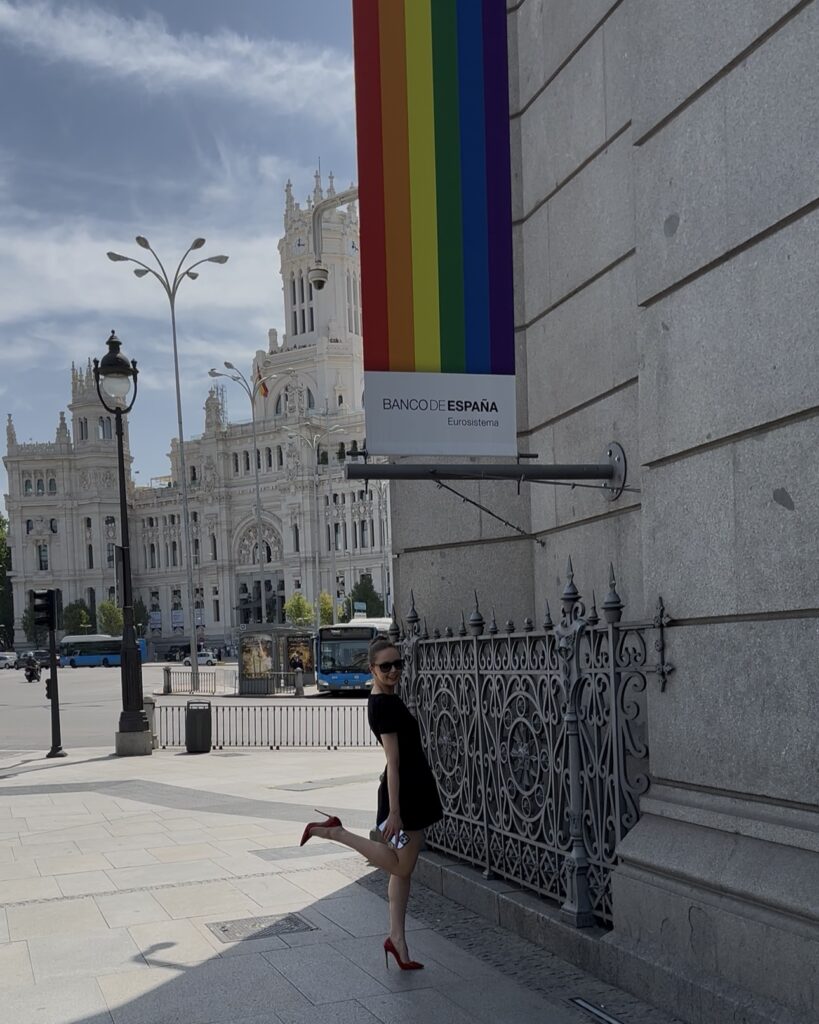
The doors are open. Ok, that’s not the exact translation. “Puertas Abiertas” is the new initiative at the Bank of Spain, opening the doors to its rich heritage and now allowing visitors to tour the most iconic architectural elements of the institution’s headquarters in Madrid and admire some of the most important artworks at the core of its collection.
When tickets first went live for the initiative, completely free of charge and with slots seven days a week, the website collapsed. An immediate sell out. But don’t despair, new slots will be opening starting September 2026. So let me give you a sneak peak of what you can sign up for.
But before jumping into the cultural significance, let’s just briefly recognize the importance of the Bank of Spain because when you go to the ATM, be it in Spain or abroad, this is the institution that makes sure you can withdraw your money. In other words, the Bank of Spain, a public institution operating independently of the government, supervises all the other Spanish banks, and as such, is central to the Eurosystem and the European System of Central Banks.
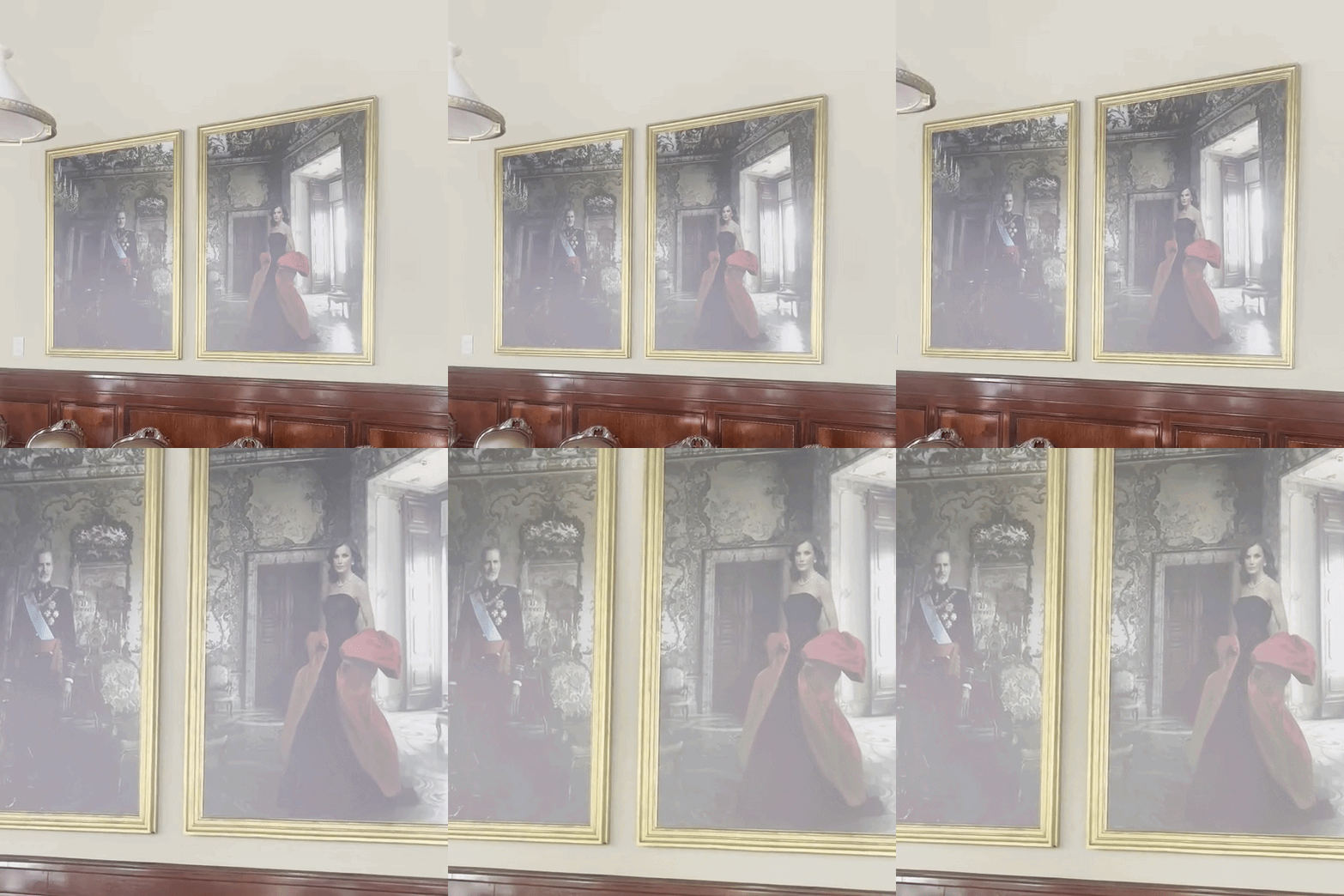
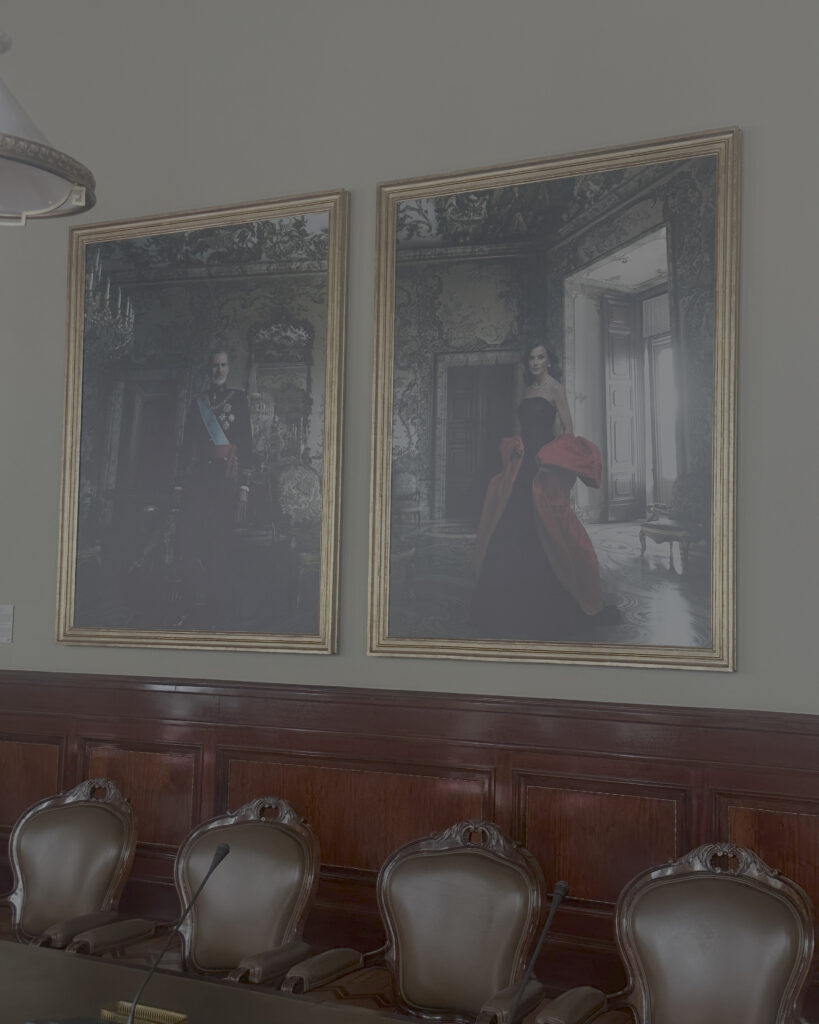
Now, to the art – and in due course, the architecture. At the core of the Bank of Spain’s art collection? The portrait. Or better yet, a series of portraits, which seek to maintain the memory of the Governors of the Bank of Spain, alongside important figures in finance, as well as Spain’s Heads of State, and one of the Presidents of the Republic. The most recent one that has received not only national but widespread international media attention? The portrait of King Felipe VI and Queen Letizia of Spain, shot by none other than Annie Leibovitz.
“You have to go and see it for yourself and talk to Yolanda,” we were told when we went to see “Wonderland,” the Annie Leibovitz exhibition at the MOP Foundation in A Coruña (read the full article here). Yolanda Romero, Head Conservator at the Bank of Spain. And so it was that she gave us a warm welcome – starting at her impressive office, where the Bank’s first security deposits are still located.
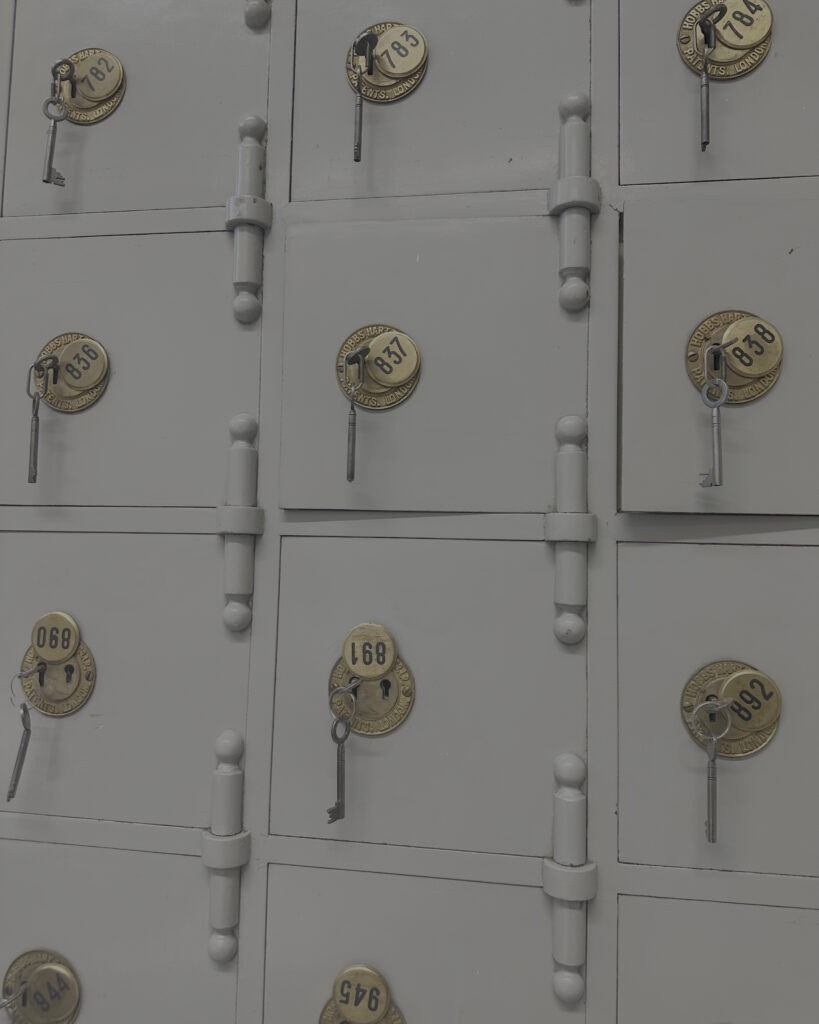
Portraits initially formed part of the Bank of Spain’s collection as a way to support artists, she explained. It was a way to employ art to stimulate the economy, as well as creativity in general. In fact, you can perfectly utilize the Bank of Spain’s collection to trace the evolution of the portrait throughout art history. At the Bank of Spain, the role of the portrait far transcends the glorification of the subject, but to offer an artistic contribution to the institution’s collection of artworks, which currently includes more than 4,000 pieces.
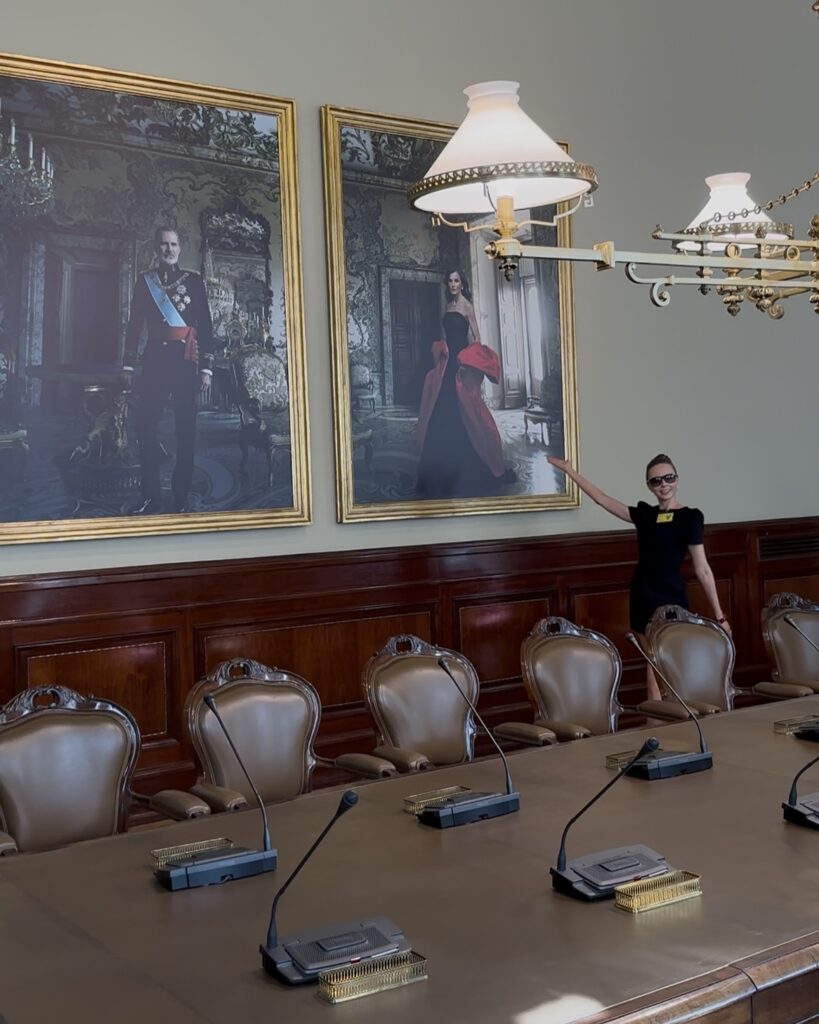
Carmen Laffón completed the portraits of King Juan Carlos I and Queen Sofía of Greece in 1987 and 1988, respectively. Now, in 2024, for the first time, photography was the medium, used by Annie Leibovitz for the portraits of King Felipe VI and Queen Letizia of Spain, printed on primed polyester canvas with UV curable inks. “Leibovitz photographed the entire Royal Palace before choosing the Salón de Gasparini as the final location for the portraits,” stated Yolanda. The diptych format and the accompanying frames are precisely a nod to Laffón’s portraits of the King and Queen Emeriti. It is here, inside the Governing Council Chamber, that you can admire what we already saw digitally at the MOP Foundation; that the light is on Queen Letizia on Spain, who stands in the spotlight in her marvelous and carefully chosen Cristóbal Balenciaga attire.
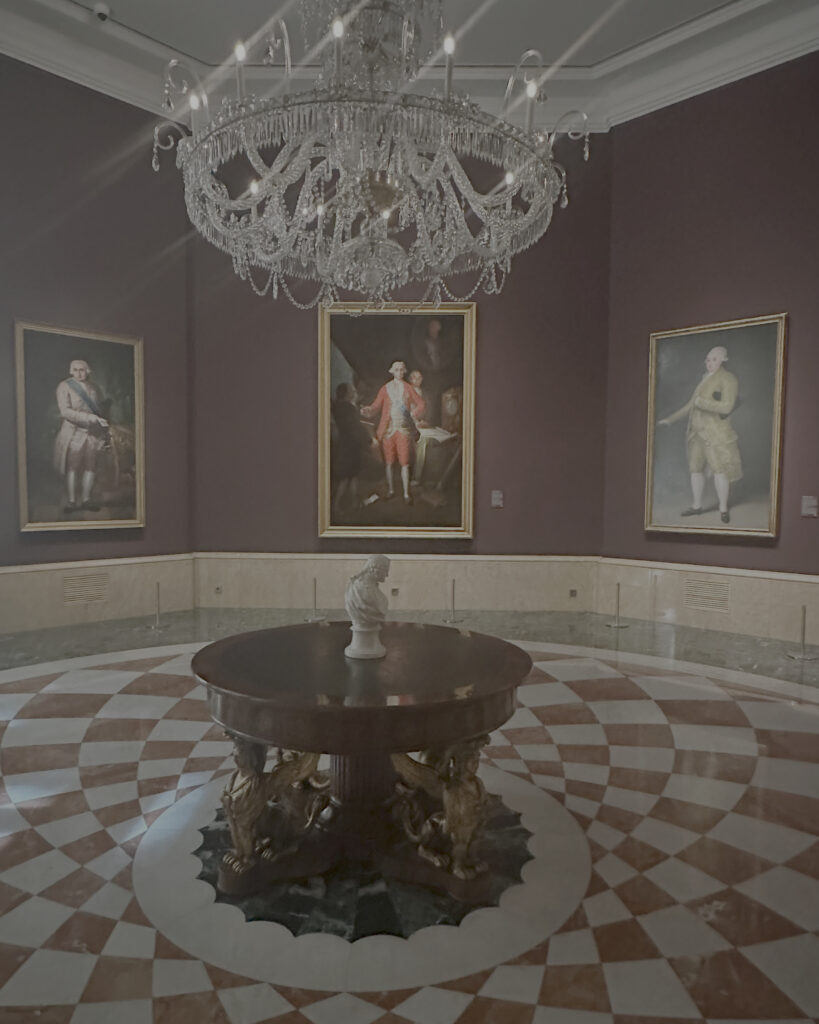
From here, we walked to the Sala Goya. And what was said before about the collection being a reflection of the evolution of portraits throughout history is evident. In fact, not only throughout history, but also throughout Goya’s specific artistic trajectory. “Portraits conventionally idealize the subject,” affirmed Yolanda. “With Goya, that is not the case.” Case in point: the portrait of King Charles III from circa 1786, depicted with a face burned from the sun. It is hung on a wall painted burgundy, meticulously selected; the Bank of Spain also has an agreement with the Prado Museum.
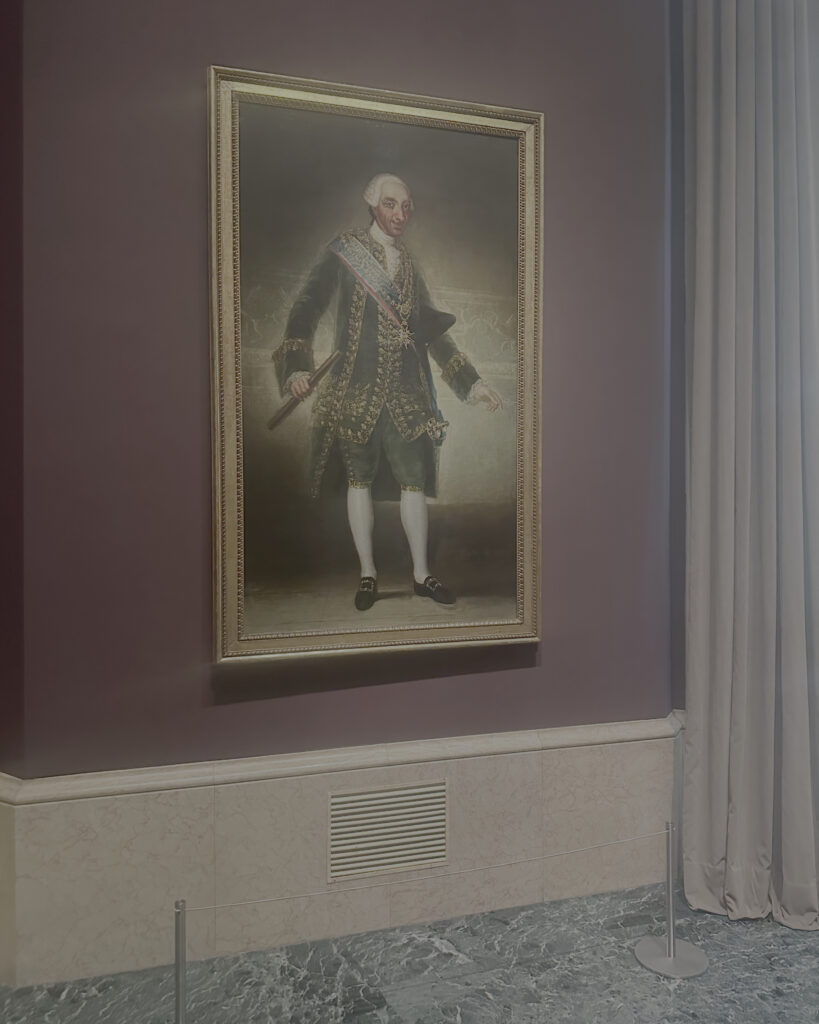
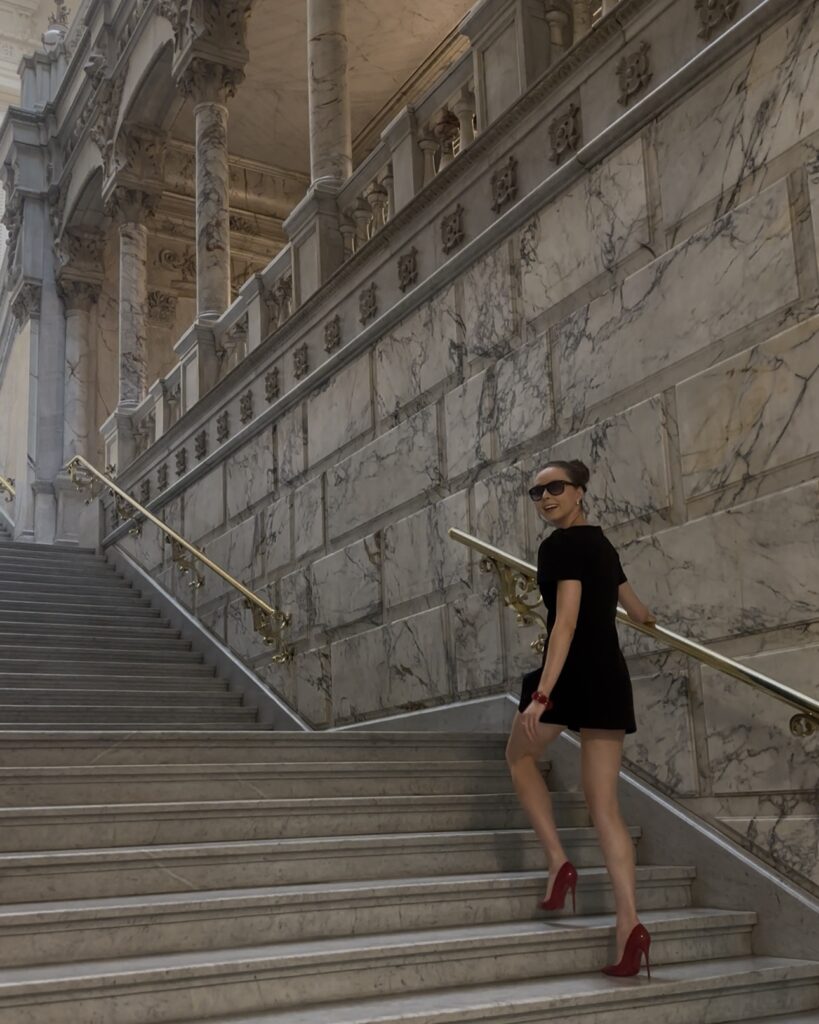
In fact, the Bank of Spain will be opening the first part of its own museum in 2028. It’s a busy time at the instituation. But until then, the portraits are not the only asset you can admire. In fact, the architecture in itself is spectacular and worth the visit. My favorites? The Carrara marble staircase. Each marble step, in its entirety, was brought to Spain from Italy, entering via Bilbao and subsequently via road.
Oh, and the library. What a beauty; you can sign up to work from here independently of the art collection and architecture visit. Fun fact: did you know that the owl is a symbol of economic investigation?
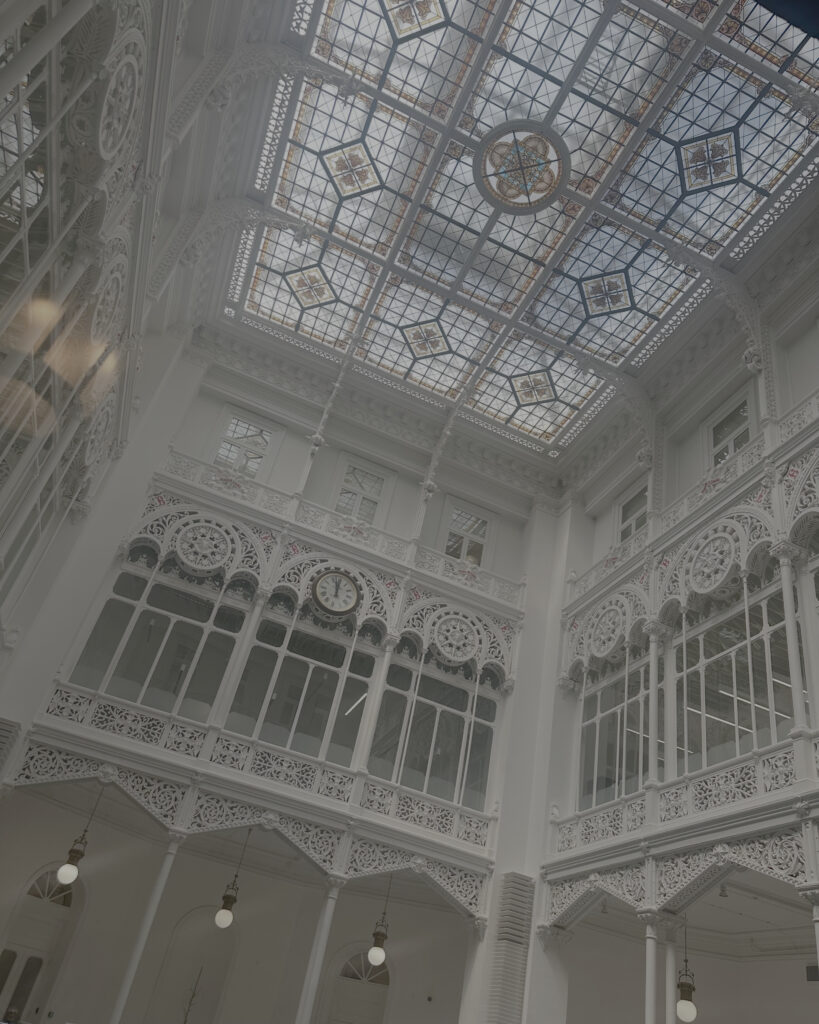
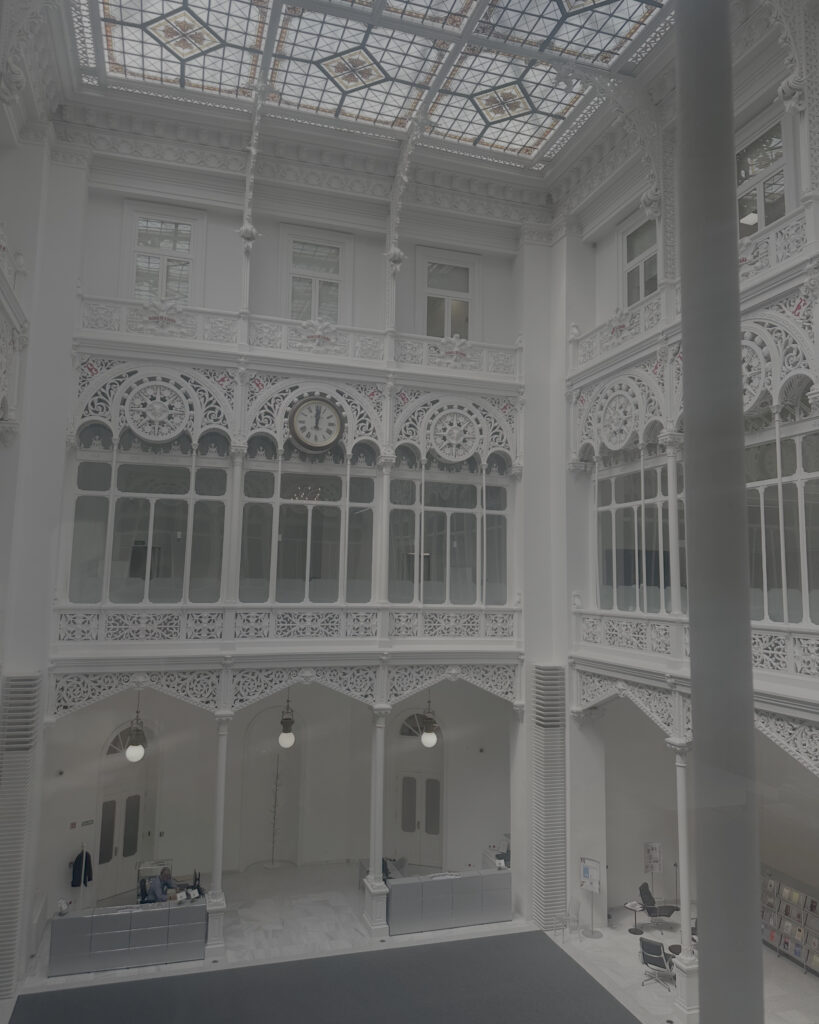
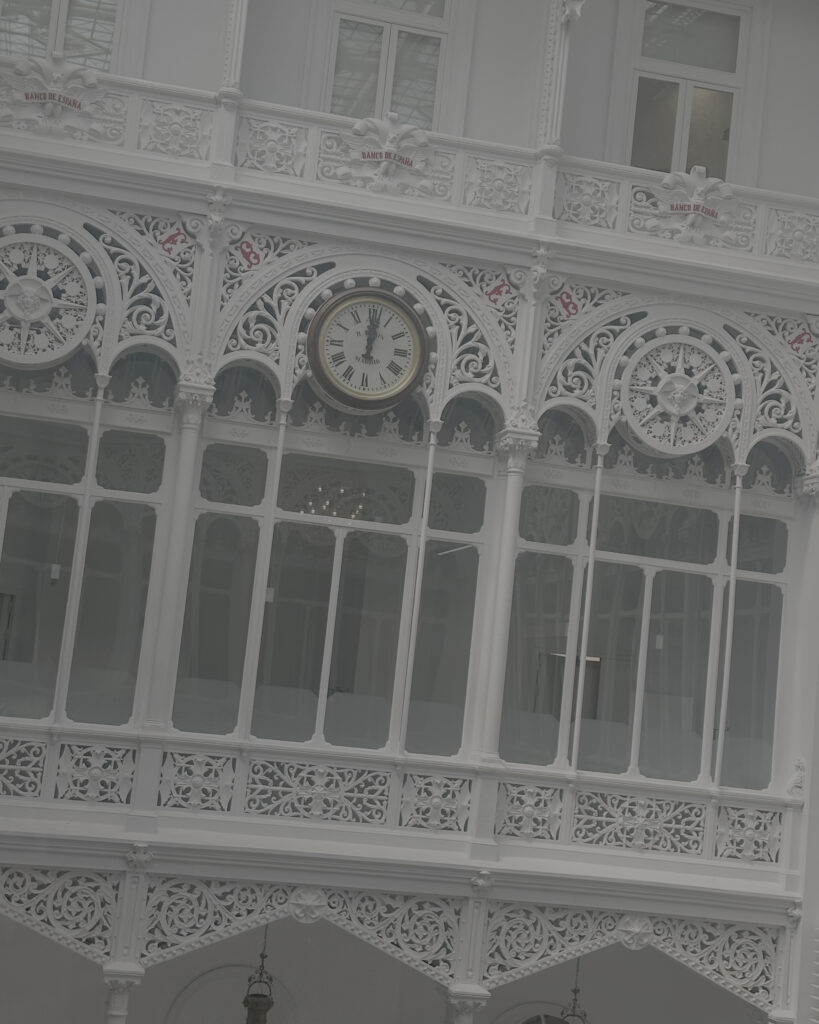
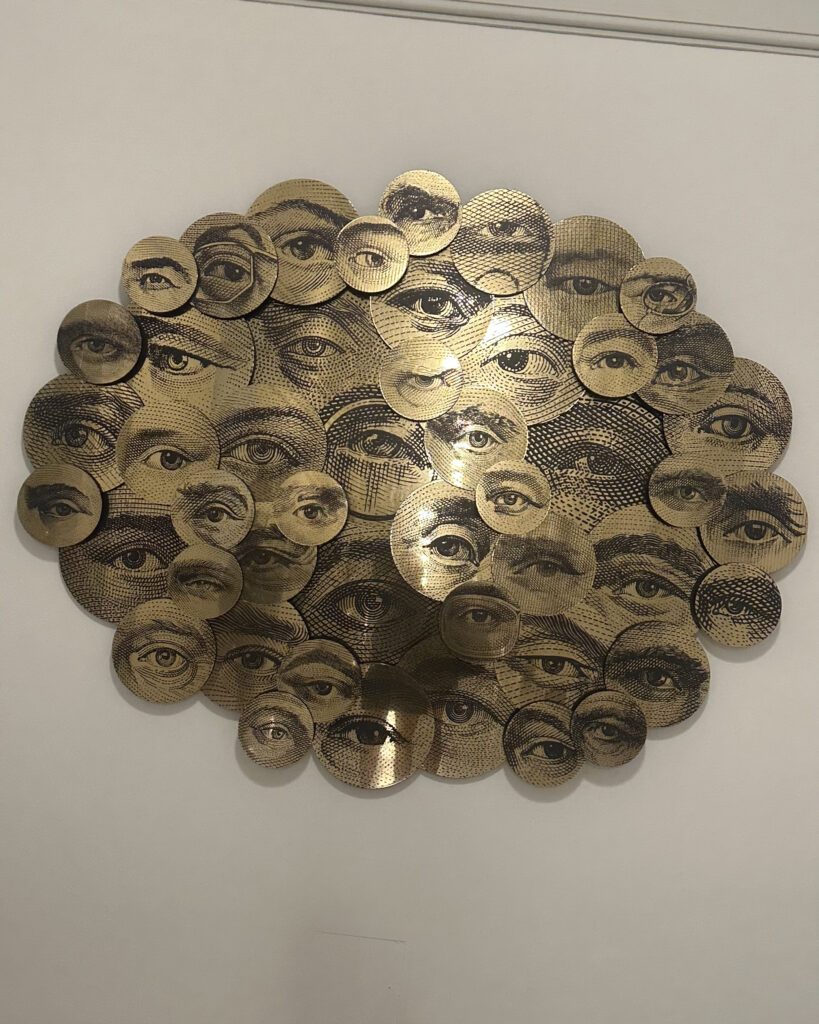
You can do all that here, and while you’re at it, figure out if you want to buy Treasury Bills inside the Patio de Operaciones. All the clocks, by the way, are fully operating. Right under this one in the photo below, the gold vault will also be unlocked to the public this fall.
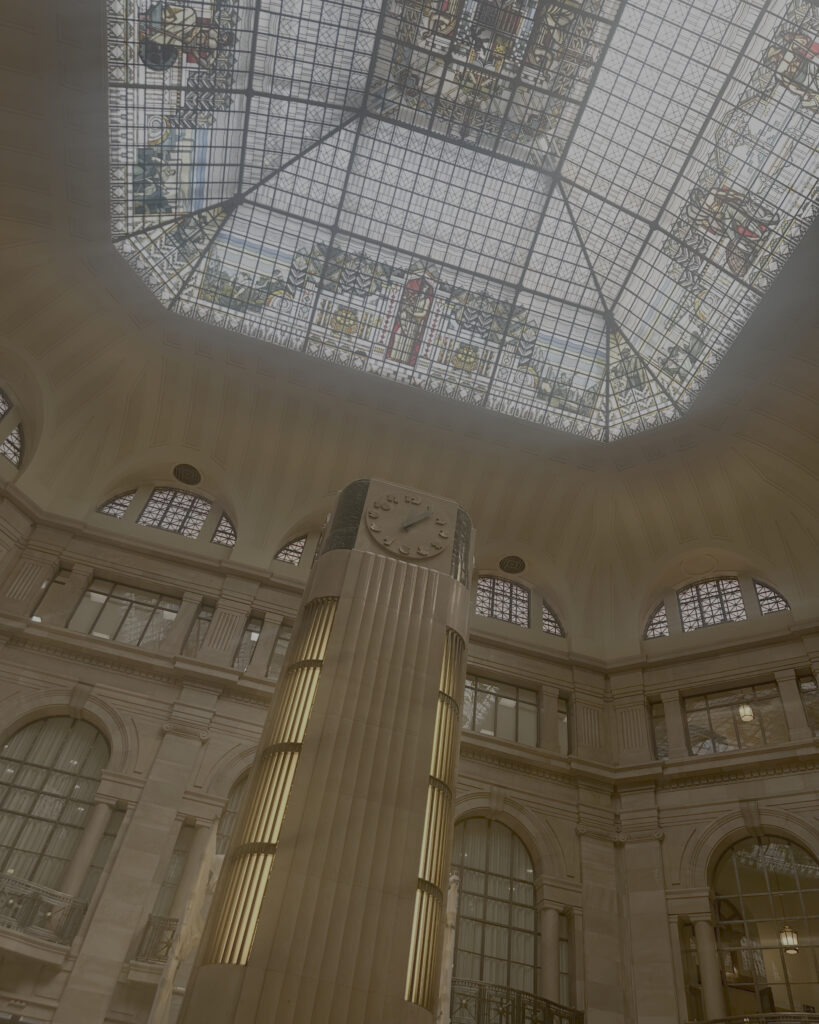
Big things are coming at the Bank of Spain and we cannot wait to walk through the doors when they open.
Plan your visit
Bank of Spain.
- Calle Alcalá 48. 28014 Madrid.
- Phone. +34 91 338 5327.
- Book your visit.
- Access to the library.
- General information.
Thank you to the Bank of Spain for inviting us.