



Welcome to The Director’s Cut, an interactive column featuring fashion, beauty and career advice from RGNN Director and Founder, @isabelevabohrer.
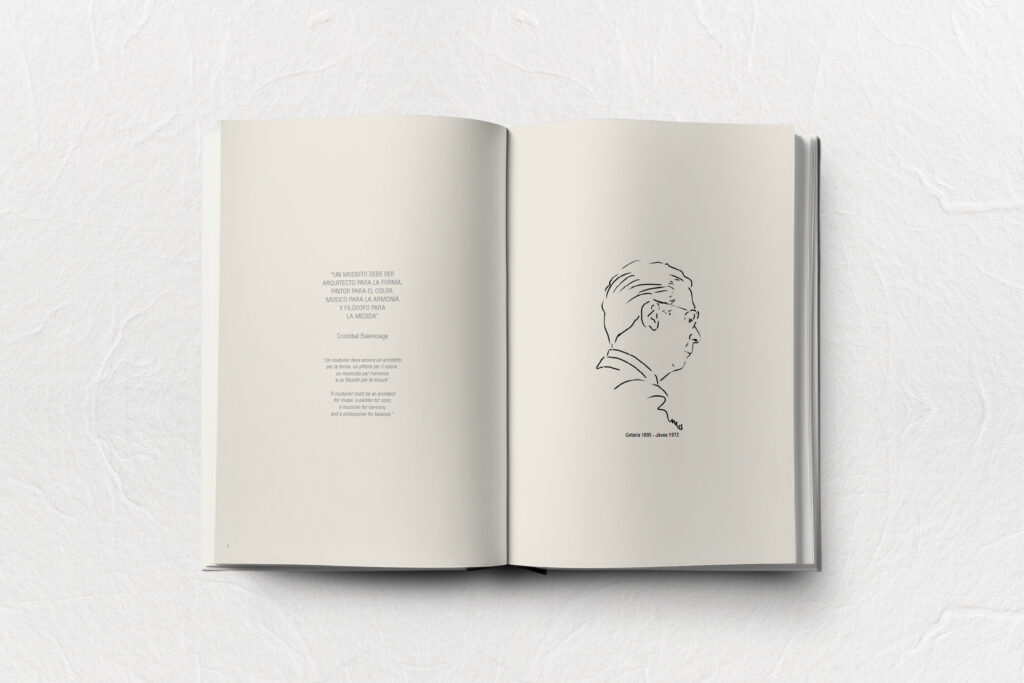
It’s a rare occasion that I will go out and buy a new coffee table just to showcase a new book. And I guess it is not even a traditional book, but a catalogue. Case in point: “Cristóbal Balenciaga: Shoes from Spain Tribute,” the catalogue accompanying the sold-out exhibition from last fashion week in Milan.
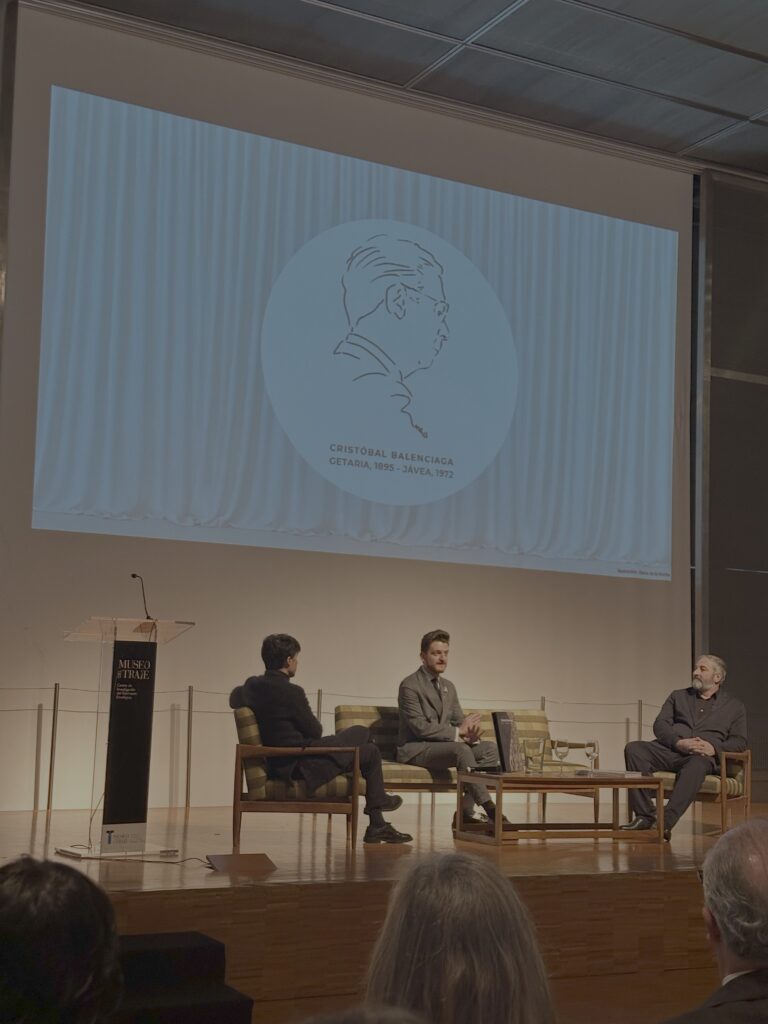
Curated by Javier Echeverría Sola and photographed by Juan Carlos Vega, the catalogue was recently presented at Spain’s most important fashion museum, the Museo del Traje in Madrid. And what a pleasure to hear Javier and Juan speak not only to recap the success of the exhibition, but also to explain the process of putting together a catalogue of this kind.
At RGNN, we had the exclusive opportunity to interview Javier about his personal experience curating the exhibition. Because yes, it was a personal one – “I met Cristóbal Balenciaga when I was very young, thanks to my grandmother,” he recalls. In fact, the catalogue presentation at the Museo del Traje was replete with people who had personal connections to Cristóbal Balenciaga, from aristocrats such as Sonsoles Diez de Rivera y de Icaza, Balenciaga’s great muse, to seamstresses such as Milagros Bohoyo Gámez, who at her over 80 years of age still perfectly recalls anecdotes from her time working for the couturier.
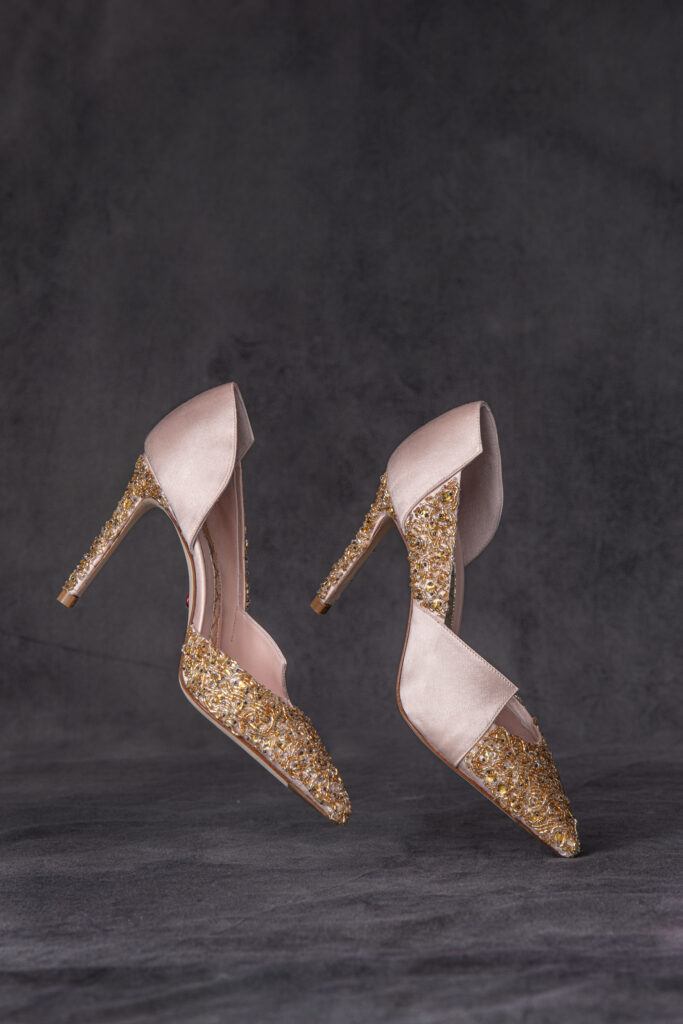
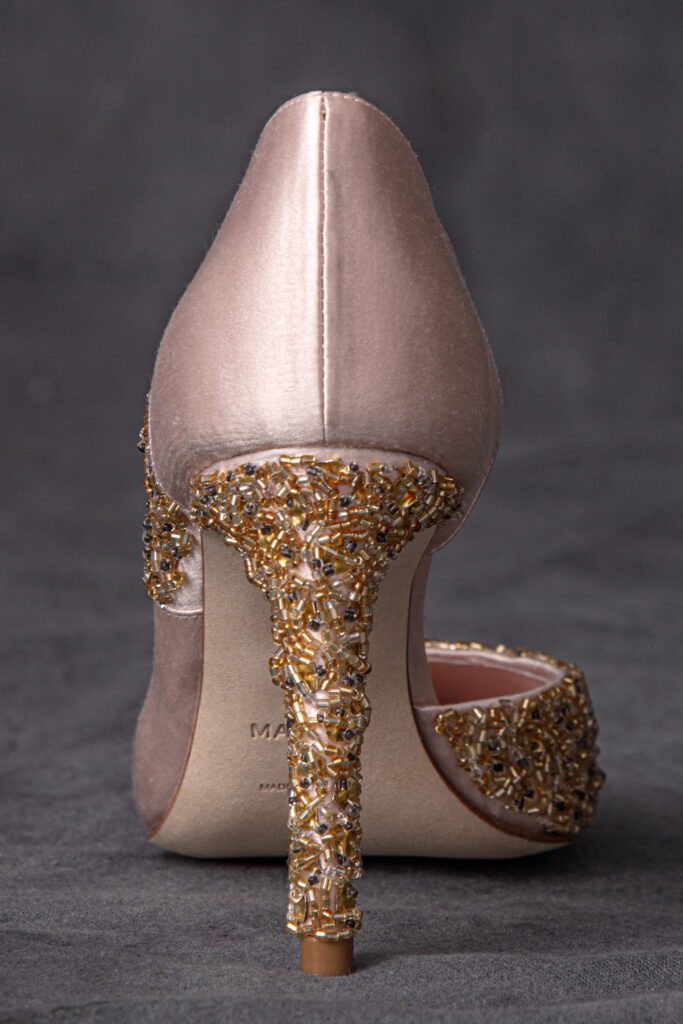
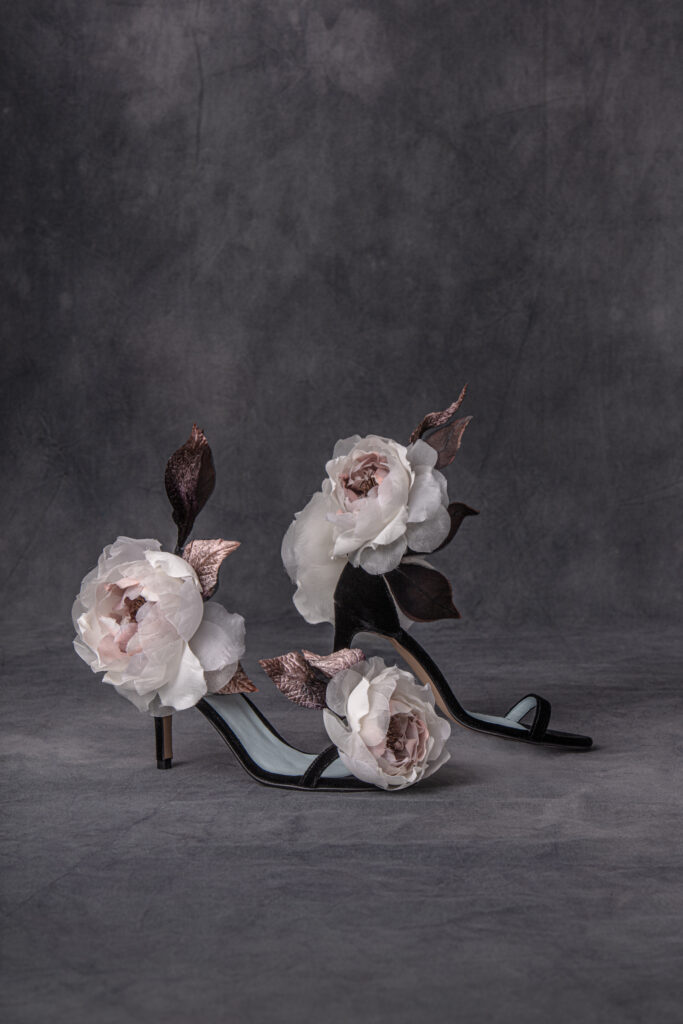
Designs by Magrit, who has also dressed Queen Letizia of Spain, in collaboration with Jesús Rosado | Photo credit: Juan Carlos Vega
For full credit, the entire project was brought to life by the Federación de Industrias del Calzado Español (Federation of Spanish Footwear Industries; FICE), and the organizations and individuals who supported both the creation of the exhibition and the accompanying catalogue were wide, including the Museo Cristóbal Balenciaga de Getaria, the Museo del Traje de Madrid, Museu del Disseny de Barcelona, the Sonsoles Diez de Rivera y de Icaza Collection, the Antoni de Montpalau Collection, the Alventosa-Talamantes Collection, the Teresa Berganza Collection, the Tere Garasa Collection, the López-Trabado Collection, as well as the Swarovski Collection.
Balenciaga is frequently misunderstood as being French, but connosieurs will, of course, know that he was originally from Getaria, a small town in Gipuzkoa, in the north of Spain. It is here that you will today also find the Cristóbal Balenciaga Museoa, “a highly recommended visit,” affirms Javier, who as a local will also kindly give you some restaurant recommendations!
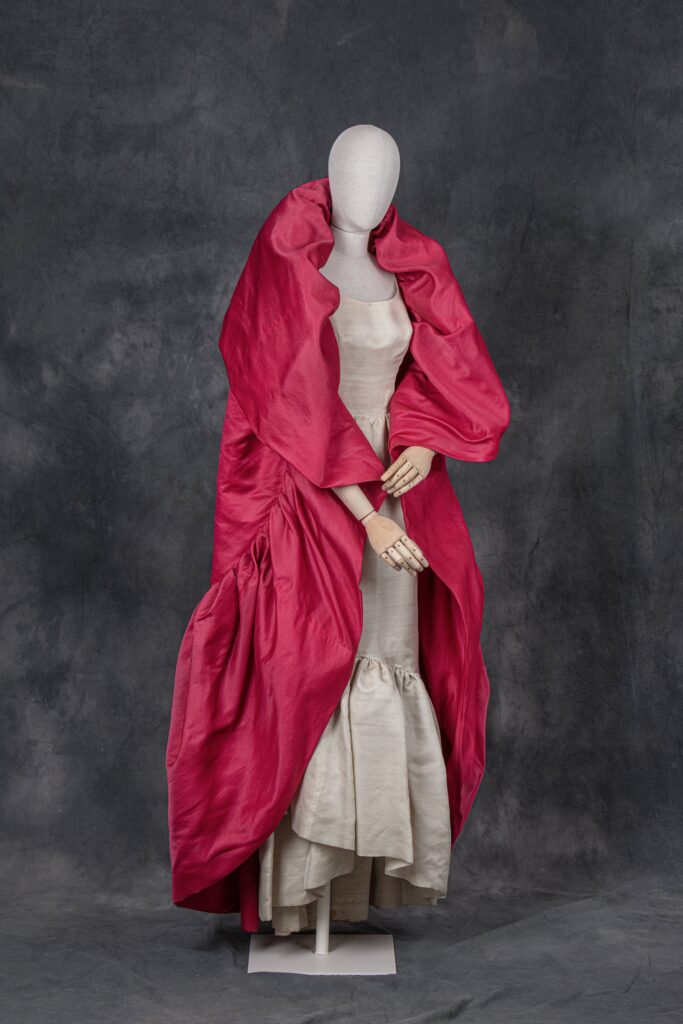
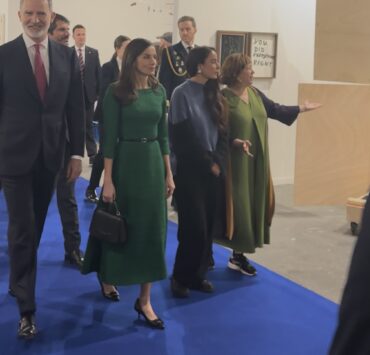
But to the exhibition in Milan – it was the first of its kind when it comes to a Spanish master of couture in Italy. Balenciaga created “collections senza tempo, as the Italians would say,” explains Javier. That is, timeless pieces, that could well be worn today, tomorrow, or have been worn years ago. Just one example: the Balenciaga cape that Queen Letizia wore for the portrait shot by Annie Leibovitz for the Bank of Spain, and which was also on view in Milan.
However, Balenciaga never designed shoes, and it is under this premise that 25 Spanish shoe brands were finally chosen, after an open competition process, to produce the shoes that accompanied the looks in Milan.
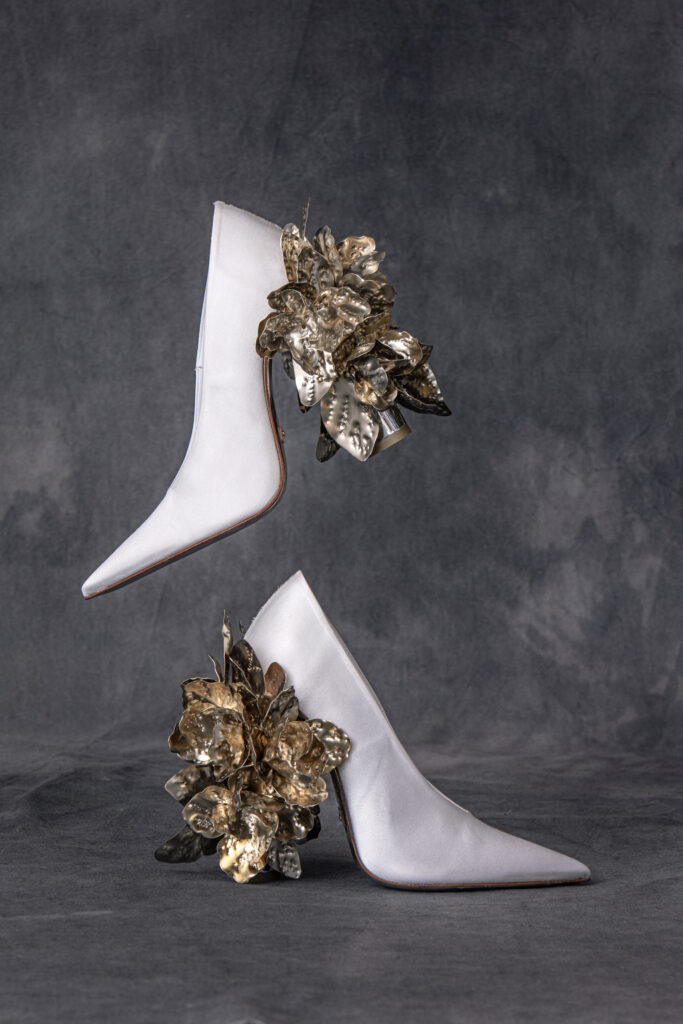
“Shoes can really change a look,” repeated Javier. I could not agree more. The premise for the Spanish shoe brands? To create a design that answered the question, “what proposal would you make, in 2025, to accompany a Balenciaga dress?”. And in the response, the chosen shoe brands, which included Alhamas, Alohas, Casteller, Chie Mihara, Creaciones SW, Defloresyfloreros, Flabelus, Gaimo, Hispanitas, Kanna, Lottusse, Magnanni, Magrit, Martinelli, Mascaró, Pedro García, Pedro Miralles, Pertini, Pikolinos, Pitillos, Pons Quintana, Pretty Ballerinas, RAS, Ria Menorca y Zinda, collaborated furthermore with seven Spanish artisans for a selection of the designs. Among the artisans that collaborated were Ángeles Espinar, Corina Roselló, Jesús Rosado, Francisco Carrera “Paquili”, Encarnita Berrio, Mariana Barturen and Teresa de la Pisa.
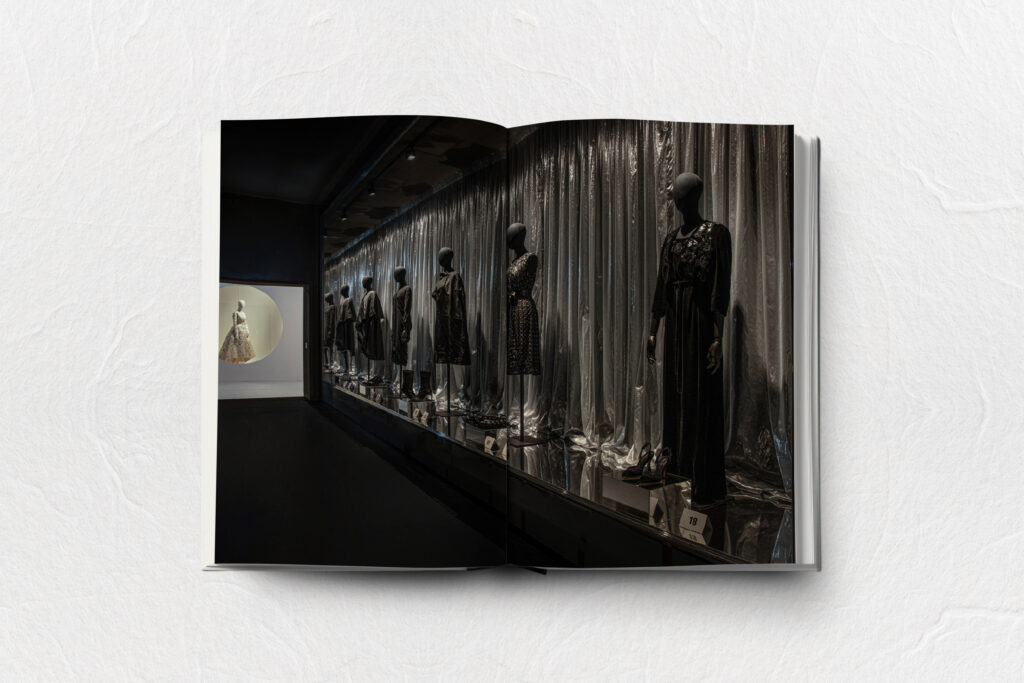
The location? “It had to be the Palazzo Morando,” stated Javier, in a convincing tone – the Fashion Museum of the Comune di Milano. And so it was that the exhibition was specifically adapted for the small space of the 16th century palace in the heart of Milan, with a total of 25,000 visitors, including big names in fashion such as Olivia Palermo, Manolo Blahnik, and representatives of the FIT museum, who came to see the Spanish masterpieces first-hand. As such, this first-ever monographic exhibition dedicated to a Spanish designer has paved the way for future exhibitions in Italy and beyond to promote Marca España and the saber hacer, the know-how, of the Spanish fashion, footwear and accessories industry, often overshadowed in Europe by the big names in France and Italy.
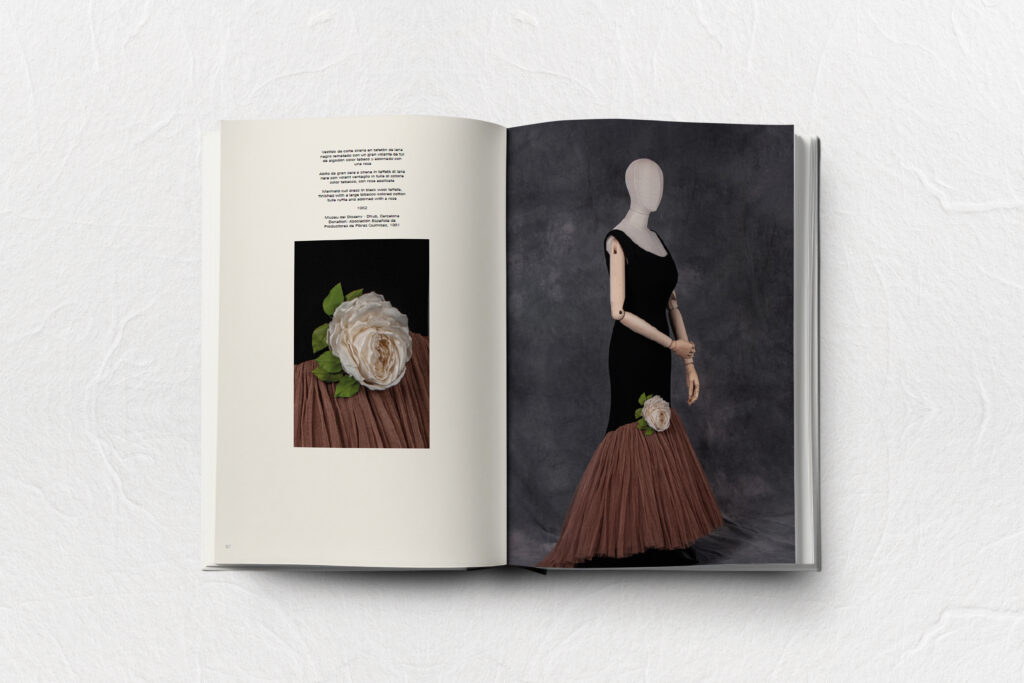
“What would it take to bring the exhibition back to life again, especially in Madrid?” I asked Javier. “Maravilloso,” marvelous, is how he looks back on the unrepeateable experience at the Palazzo Morando. “It’s hard, but never say never,” he adds. Fingers crossed, and in the meantime, we shall all be admiring the catalogue, a permanent expression of what was ephemerally presented in Milan.
More information
- Visit balenciagatribute.com for more information
- You can purchase a copy of the book here.
Thank you to the FICE, the Federation of Spanish Footwear Industries, for the beautiful catalogue.
Questions or comments? Follow me on IG @isabelevabohrer or TikTok and say hi! See you soon!